Remote and outside workforces run a lengthy way from aid, in every sense. When something fails on a ranch track, a forestry block, a wind ranch, a rail passage or a building website 2 hours from the nearest medical facility, there is no quick backup. Your team is the response.
That reality changes just how you should think of first aid training. Traditional one or two day class courses, showed in city offices, still have their place. But for numerous companies, express first aid courses and fast CPR training are what make normal, dependable training viable. If people can not save a full day off the job, they typically wind up with no training at all.
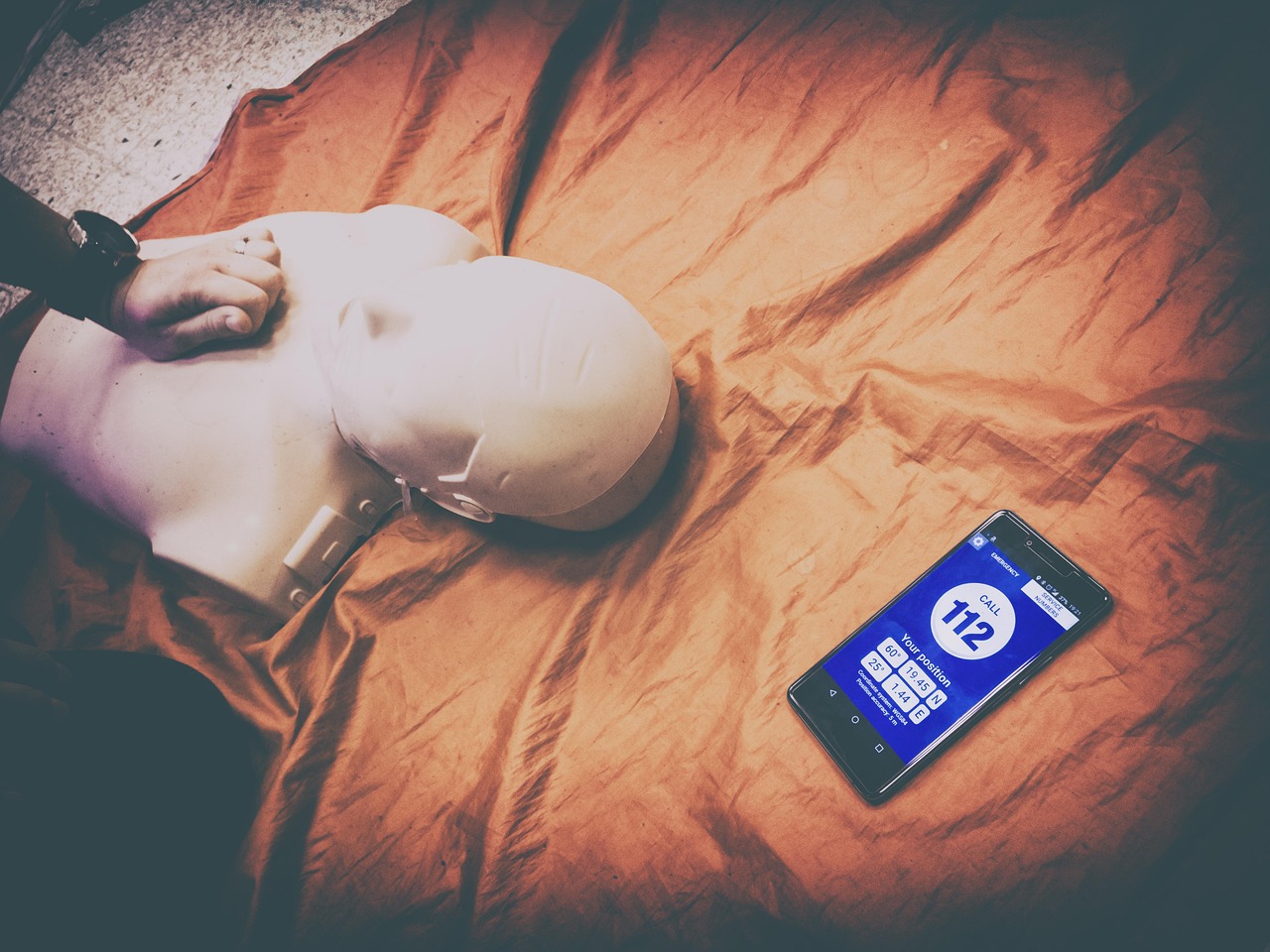
I have educated exterior employees that quietly admitted they had actually not done any type of first aid or CPR courses for eight to ten years, simply since they could not validate shedding a day of performance. When their manager switched over to express first aid training, presence jumped, and the overall criterion of feedback in drills boosted within a solitary season.
The purpose is not to tick a compliance box. The purpose is for the very first individual on scene to show speed, calm, and capability, also in severe environments. Express first aid, when made well, can sustain that.
Why remote and outside workforces need a various first aid mindset
If you run a metropolitan office, a lot of clinical emergency situations obtain a professional ambulance feedback within mins. For a group working in remote or tough surface, the time from injury to sophisticated treatment may be an hour or even more. Those added mins change everything.
In remote and exterior atmospheres, you commonly face a mix of elements. There may be restricted interactions, lengthy stretcher brings, inadequate weather condition, and improvised tools. Hazards are also various. Quad rollovers in farming, power saw injuries in forestry, falls from height in building, and cold water immersion in coastal work all show up more often than metropolitan heart attacks at the printer.
In my experience, three changes in assuming make the biggest difference for remote teams.
First, the common first aid course content need to be adjusted to the real area risks. Rural and outdoor employees need more ecological emergency training, even more circumstance experiment limited equipment, and more focus on improvisation.
Second, employees have to anticipate to supply take care of longer. That means more powerful standard life assistance skills, not simply a fast review of CPR and defibrillation. Look after bleeding, breathing, and shock can conveniently extend first aid certification online to 30 to 60 mins prior to rescue arrives.
Third, training should be constant enough and practical sufficient that individuals do not freeze or fail to remember. This is where express first aid courses and fast first aid training confirm valuable. Short, focused sessions supplied more often have a tendency to stick far better than a big block of web content provided as soon as every couple of years.
What "express" really means in first aid and CPR training
The term express first aid course gets made use of loosely. Occasionally it suggests a strong, pressed program that appreciates time without reducing edges. Various other times, it is bit more than a hurried lecture for a certificate on paper. The distinction remains in just how the course is structured and what is called for in the past and after the class session.
A well created express first aid or express cpr course usually does three things.
It actions history theory to self paced learning. Students complete online components before they arrive. They cover legal duties, fundamental makeup, and essential principles at their own pace. This suggests the one-on-one time can concentrate on useful work.

It tightens the emphasis to the skills most pertinent to the employees. For remote and outside teams, that means hefty emphasis on managing blood loss, fractures, back concerns, hypothermia, heat illness, bronchial asthma, anaphylaxis, and CPR. Less time is spent on reduced threat, reduced effect conditions.
It requires analysis that shows competence, not just attendance. A fast first aid course can properly award a first aid certificate if individuals reveal, under some pressure, that they can do essential abilities to common. Short does not require to suggest superficial.
By contrast, beware of fast first aid courses or fast cpr courses that guarantee certification with virtually no practical assessment, or no possibility https://rentry.co/estagcot to practice skills on manikins, or no situations that reflect your work environment. Fast certification is attractive, but if the training does not stand up under tension, it can produce false confidence.
The core abilities that can not be compromised
Express first aid courses live or pass away by what they maintain, not what they reduced. For remote and outdoor employees, certain skills are non negotiable, even in fast first aid courses or fast cpr refresher courses.
At a minimum, any kind of express first aid training for these atmospheres need to leave people qualified in the adhering to collection of skills.
They must have the ability to run a quick scene survey and key assessment. That consists of hazard sign in dynamic environments, calling for aid early, and prioritising life risks prior to secondary injuries.
They needs to fit with first aid and cpr as a consolidated response. That implies reliable breast compressions, rescue breaths where proper, secure use an AED, and turning in between rescuers to lower tiredness throughout extended CPR. Lots of express cpr courses aim at metropolitan occurrences where ambulance response fasts. For remote employees, express cpr training have to anticipate longer efforts.
They has to handle major bleeding with direct stress, pressure dressings, and, where suitable and lawful, tourniquets and haemostatic dressings. Forestry and building and construction websites in particular see injuries where blood loss is the vital factor.
They should secure suspected spinal injuries on unequal ground with really minimal equipment. In a genuine occurrence, you hardly ever have a Find more info complete paramedic package. A fast first aid course that educates people to improvise with jackets, ropes, and knapsacks is more valuable than one that just instructs textbook techniques.
They has to acknowledge environmental hazards swiftly. Hypothermia, hyperthermia, warmth stroke, dehydration, and lightning danger behave extremely differently in remote surface than they perform in community. Exterior employees need greater than a passing slide on these topics.
Once these foundations are in area, express first aid courses can layer in allergies, asthma, diabetic issues, seizures, small wound treatment, and other regular concerns. For some groups, especially those handling kids in outside education and learning or rural childcare, express childcare first aid courses also need modules on choking, febrile convulsions, and paediatric CPR ratios.
Express child care first aid for outside settings
Many child care workers and teachers are currently leading youngsters right into woodlands, farm gos to, exterior education camps, and nature play programs. The risks are various to a classroom. Kids roam, climb, react highly to insect stings, and end up being hypothermic or dehydrated faster than adults.
An express childcare first aid course that mirrors a conventional class program misses that truth. Express child care first aid training for outside setups must cover 3 extra dimensions.
First, paediatric first aid and cpr method should make up real surface. Rescuers typically try kid CPR on outing tables, damp ground, or cramped lorry seats. Training has to give team time to try CPR on child and baby manikins in these unpleasant placements, not just on a flat clean floor.
Second, an express child care first aid program requires a more powerful concentrate on allergy and asthma management in the area. That implies functional drills with adrenaline vehicle injectors, spacer devices, and inhalers, and reasonable circumstances where one adult handles several distressed kids at once.
Third, the course should speak about group monitoring under tension. In every real occurrence I have evaluated that engaged youngsters outdoors, there went to the very least one person doing first aid and someone shepherding or comforting the remainder of the team. Training that presumes a solitary youngster and a single adult disregards just how childcare really works.
Providers who supply express childcare first aid courses customized to outdoor programs are still a minority. When you search for an express childcare first aid course near me, ask specifically about environmental and paediatric material that mirrors your tasks. A generic program may not take care of that nuance.
Making express courses benefit remote rosters
A large advantage of express first aid courses is setting up versatility. Remote and outside work frequently works on rosters, change patterns, and seasonal peaks that do not match a regular organization week. A typical 2 day first aid course can wipe out a critical job home window, especially at harvest, lambing, wet season prep work, or mid project.
I have actually seen 3 versions work specifically well.
Some employers run brief express first aid and cpr courses at change changeover factors. Teams coming off a rotation stay on an additional half day to complete practical training, after completing on the internet material while on site during low threat periods.
Others split fast first aid training right into modules throughout numerous weeks. Employees finish a 2 or 3 hour express cpr course initially, after that a separate half day concentrated on injury management, after that a last session for ecological and clinical concerns. This fits around altering weather and field conditions.
A 3rd approach makes use of a combined model where a nucleus obtains advanced fap first aid training, while the larger labor force finishes much shorter express first aid and fast cpr correspondence course sessions. The nucleus works as lead responders, however everyone has enough ability to act if they are initially on scene.
However you design it, the secret is predictability. Remote employees are utilized to long drives, tiredness, and moving plans. If express first aid courses are scheduled carelessly, presence and retention endure. A predictable turning, such as a fast first aid course every one year and a brief express cpr refresher at the 6 month mark, maintains skills active without overwhelming the roster.
What to try to find in an express first aid provider
If you type fast first aid course near me right into an internet search engine, you will certainly see a mix of huge national carriers, particular niche outside specialists, and generic training stores. The right companion for a remote or exterior workforce is not constantly the most affordable or the closest. Practical experience in similar atmospheres matters more.
When evaluating carriers, I suggest you use a brief, concentrated checklist instead of rely upon marketing language.
1) Verify that the trainer has actual area experience. Ask whether they have operated in remote reaction, search and rescue, exterior education, or similar locations. In my monitoring, fitness instructors who have actually treated individuals in challenging surface teach very in a different way, with even more focus on improvisation and scene management.
2) Inspect the structure of the express first aid course. Try to find combined understanding, realistic circumstance time, and clear analysis criteria. Ask the number of individuals will certainly remain in each class. Quality hands on practice is tough to deliver in very large teams, especially for first aid and cpr course content.
3) Review the details components. Does the course address your risks, such as machinery entrapment, water rescue, altitude, or animal handling? Does their fast cpr and first aid program allow for practice with the specific AED version and first aid kits you use?
4) Verify the certification. See to it the first aid certificate meets your governing demands and market requirements. Some regions specify content and duration for first aid courses and first aid and cpr training classes. A course that is too brief, without appropriate pre understanding, might not be recognised.
5) Ask about refreshers and comply with up. Great companies construct in options for fast cpr refresher course sessions or brief tool kit talks months later. Ability degeneration is a genuine issue. You desire a companion that sees training as a cycle, not a solitary event.
A brief pre course discussion with the fitness instructor frequently informs you more than a glossy pamphlet. Listen for sensible, specific responses instead of generic claims.
Here is a straightforward checklist you can adjust when assessing options:
- Does the supplier tailor material to your real work environment and risks? How much hands on time, each, is assigned to CPR and vital first aid skills? What online or pre course discovering is expected, and how is it assessed? Is the fitness instructor experienced with remote, outside, or high risk work settings? How will certainly they aid you prepare future refreshers and express first aid courses?
Balancing rate, quality, and legal requirements
One of the most usual concerns I hear from supervisors is whether a fast first aid course or express cpr training will please regulatory authorities. The truthful solution is that it depends upon your jurisdiction, your industry, and the framework of the course.
Most regulatory authorities concentrate less on for how long the course runs and much more on whether the called for subjects are covered to a defined criterion. That is where blended understanding comes in. If a first aid and cpr course needs, as an example, 8 hours of overall instruction, a provider could legally provide 4 hours of online modules and a 4 hour express first aid sensible, instead of a complete day in a classroom.
Problems develop when fast certification is provided without that depth. A two hour course with no pre understanding, no assessment, and marginal technique might not meet legal limits for first aid training, also if the certificate says otherwise. As the company, you carry responsibility for picking courses that fulfill standards.
There is likewise a danger of over remedying. Some safety and security managers, melted by weak brief courses, insist that every employee participate in long, common programs that cover a broad range of reduced significance content. The result is often poor engagement. Employees entrust a certificate yet vague recall of vital skills.
An effective equilibrium for remote and outside groups looks like this. The majority of personnel full concentrated, fast first aid courses that directly resolve top dangers and develop strong standard life assistance abilities. A smaller cadre complete more advanced first aid training, with longer one-on-one time and situation based analysis. With each other, they create a layered reaction system on site.
Integrating express first aid right into your broader safety system
Training on its own does not save lives. It needs to sit within a more comprehensive system that consists of tools, treatments, communications, and culture. Express first aid courses for remote workers work best when they are incorporated right into that system, not bolted on at the last minute to please compliance.
A reliable strategy tends to adhere to a short series of actions:
- Map your leading incident dangers and worst reputable situations for each site or project. Match those risks to specific first aid and cpr abilities, equipment, and interaction needs. Choose express first aid courses and first aid and cpr training classes that explicitly cover those skills in realistic scenarios. Equip teams with kits, AEDs, and communication tools that line up with what they were trained to use. Rehearse reaction plans through quick, routine drills that mirror your training and fine-tune your procedures.
When you run drills after training, gaps become noticeable rapidly. Possibly the express cpr course showed right pad positioning, however employees discover their AED is saved as well far from high risk zones. Perhaps first aid and cpr course circumstances thought trustworthy mobile insurance coverage, while in reality you depend upon satellite phones and radios. These understandings just arise when training and method are very closely linked.
Over time, numerous organisations move from reactive, certificate based training to an elder model where express first aid, fast cpr, and circumstance drills are part of an ongoing rhythm. People stop asking, "When is my next course due?" and begin asking, "When are we next exercising that rescue scenario southern platform?"
A brief situation example from area practice
Several years earlier, I dealt with a renewable resource business developing generators in a remote, gusty hallway. The nearest rescue base was roughly 90 minutes away on good roads. Early in the job, the company sent each staff to a typical city first aid course. The course covered work environment injuries extensively, but there was virtually no practice in harnesses, inadequate climate, or on irregular ground. When we ran a joint workout with regional emergency situation services, the voids were obvious.
After that work out, the business redesigned its approach. They involved a carrier experienced in outside and industrial rescue to provide express first aid courses on site. Workers completed online components during downtime in camp, then attended a 4 hour practical that happened on actual wind turbine platforms, crushed rock gain access to roads, and in automobiles. Fast cpr training used the same AED versions set up across the website. Situations included wind, sound, and the awkward angles they would certainly deal with if somebody fell down at height.
They likewise introduced short fast cpr refresher course sessions at the start of monthly security meetings. These 20 min refreshers concentrated only on compressions, AED usage, and team communication. Within a year, when a professional endured a significant heart event in a hosting area, the action was fast, collaborated, and confident. CPR was begun within a minute, the AED was used in roughly 3 mins, and handover to paramedics accompanied a clear verbal report that showed their training.
No training program ensures an end result, but the distinction in between their first exercise and that genuine incident was raw. The sensible, tailored, express first aid training clearly paid off.
Final thoughts for decision makers
If you are accountable for the safety and security of remote or outdoor workers, your first aid approach deserves as much idea as your harnesses, guards, or lockout treatments. Time and access constraints are real, yet they do not require to prevent durable first aid training.
Express first aid courses, express cpr courses, and express child care first aid programs can deliver high criteria in much shorter blocks when they are properly made and integrated. Fast first aid and cpr training classes function best when they:
Respect the truths of your lineups and sites.
Focus over repercussion threats and vital skills.
Use blended finding out to protect hands on practice time.
Support normal refreshers so abilities stay alive.

Your employees may never ever need to treat a serious injury or do CPR halfway up a hillside or beside a river crossing. If they do, they will not care how long their course ran. They will care that, under stress, their hands and voice know what to do. Well picked express first aid courses can aid them reach that point, without pulling them out of the field much longer than necessary.